
Holiday meals and family get-togethers have a way of making missing teeth feel louder. One minute you’re fine, the next you’re chewing on one side, avoiding certain foods, or feeling self-conscious when someone pulls out a phone for a quick photo. If you’ve been asking, “Are dental implants worth it?” it usually comes down to how much you want a replacement that feels stable, looks natural, and lets you eat normally again.
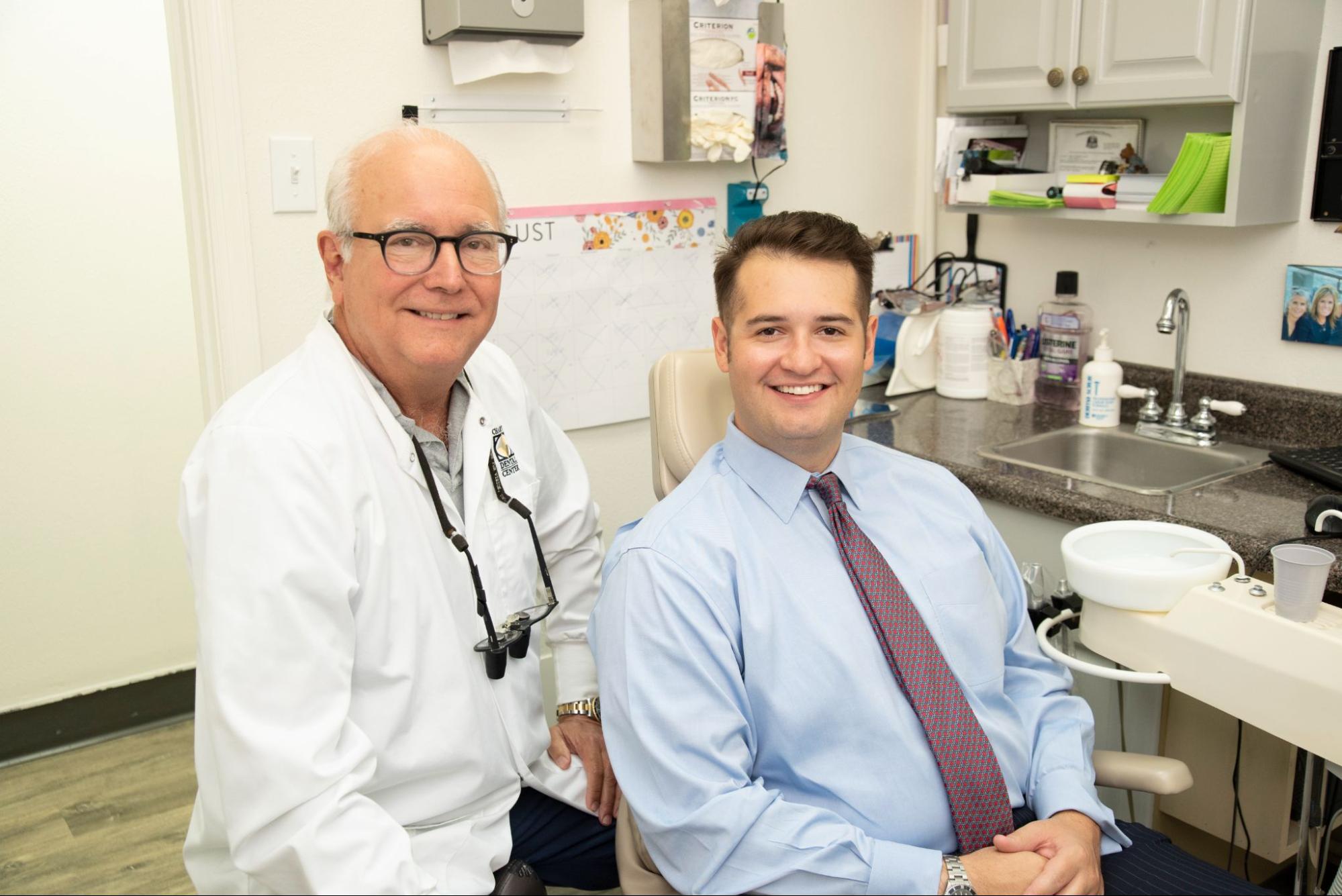
Dr. Charvet and Dr. Charvet Jr. at Charvet Dental Center talk through this decision every day with patients who want real numbers, real tradeoffs, and a plan that fits their life, not a generic answer.
What “Worth It” Really Means for Dental Implants
Most people think the decision comes down to price. Price matters, yet “worth it” is usually a mix of five things:
- Daily function: Can you eat normally without working around the problem?
- Stability: Does the replacement stay put when you talk, laugh, or chew?
- Long-term upkeep: How much maintenance and repair is likely over the years?
- Impact on nearby teeth: Do other teeth need to be altered to support the fix?
- Confidence in your plan: Do you feel like you chose something that matches your health and your schedule?
Dental implants tend to score high on stability and function because an implant is designed to replace the root, not only the visible tooth. That design difference is the whole reason implants can feel closer to “part of you” than a removable option.
Are Dental Implants Worth It When Compared To Bridges and Dentures?
This comparison is where the decision becomes clearer, because each option solves a different problem.
Dental Implants
An implant is a small post placed in the jaw, and then a dental crown (or another restoration) is attached after healing. Many patients like implants because they do not rely on a removable base, and they can keep chewing forces closer to what a natural tooth handles.
Dental Bridges
A bridge can replace a missing tooth by anchoring to the teeth next to the gap. That can be a practical choice when the neighboring teeth already need crowns, or when the timing needs to be faster. The tradeoff is that the supporting teeth typically carry more responsibility, since they help hold the replacement in place.
Dentures and Partial Dentures
Dentures can be the right answer when multiple teeth are missing. The frustration many people run into is movement. Even a well-made denture can shift during certain foods, certain laughter, or certain long meals. Some patients explore implant support specifically to cut down on that movement.
No option is “best” for every person. The best option is the one that fits your mouth, your health history, and how you want life to feel day to day.
The Benefits People Notice First
Most implant pages talk about chewing. Patients often mention smaller wins first:
- Ordering what you want without scanning the menu for “safe” choices
- Eating on both sides again instead of favoring one side
- Speaking clearly without worrying that something will slip
- Smiling in photos without thinking about the gap
Those are quality-of-life wins, and they matter. They are also hard to measure on a quote sheet, which is why it helps to name them before you decide.
The Cost Question Metairie Patients Actually Ask
People rarely ask, “How much does an implant cost?” and stop there. The real questions sound more like:
- “Am I paying once, or paying forever?”
- “What will I spend on repairs if I choose the cheaper route?”
- “If I wait two years, will this get harder?”
Implants can carry a higher upfront fee, especially if you are replacing more than one tooth. Value comes from what you get over time: stability, function, and fewer “workarounds” in daily life. For some people, a bridge or partial denture is still the smarter financial choice in the short term. For others, paying more upfront to avoid repeated adjustments feels like the better call.
Who Tends to Be a Strong Fit for Implants
Implants are not only about wanting a tooth back. The best candidates often share a few factors:
You Want Something That Feels Stable
If you have dealt with movement, rubbing, or the constant thought of “is this going to shift,” implants often feel like a major upgrade.
You Have One Missing Tooth and Want to Keep the Neighboring Teeth Intact
A single-tooth implant can replace the tooth without using the teeth next door as anchors, which can be appealing if those teeth are otherwise in good shape.
You Are Replacing Multiple Teeth and want a Better Hold
Some people start with a removable option, then later decide they want more stability. Implant-supported solutions can be part of that conversation.
You Want a Long-Term Plan
If your mindset is “I want to fix this and move on,” implants tend to match that goal.
A dental exam is still the deciding factor, because gum health, bone levels, bite forces, and medical history all affect the plan.
What the Implant Process Feels Like in Real Life
Patients usually want a realistic timeline at Charvet Dental Center.
Consult and imaging
You talk through what is missing, what bothers you most, and what a good end result looks like for your daily life.
Planning the steps
Some cases are straightforward. Some involve removing a tooth first, then letting the area heal before the implant is placed. Your plan depends on what your mouth needs.
Placement and healing
Healing time varies. Your team will give you food and care instructions for that window, and most people do best when they plan softer meals for a bit.
Final restoration
Once the implant is ready, the final crown or restoration is placed and adjusted so your bite feels natural.
Dr. Hunter L. Charvet has advanced training in implant dentistry and a fellowship with the International Congress of Oral Implantologists, which is the kind of background many patients want when they are making a long-term decision.
Dr. Hunter L. Charvet Jr. practices alongside him, so patients can meet with a team that treats implant dentistry as a routine part of restorative care, not a rare request.
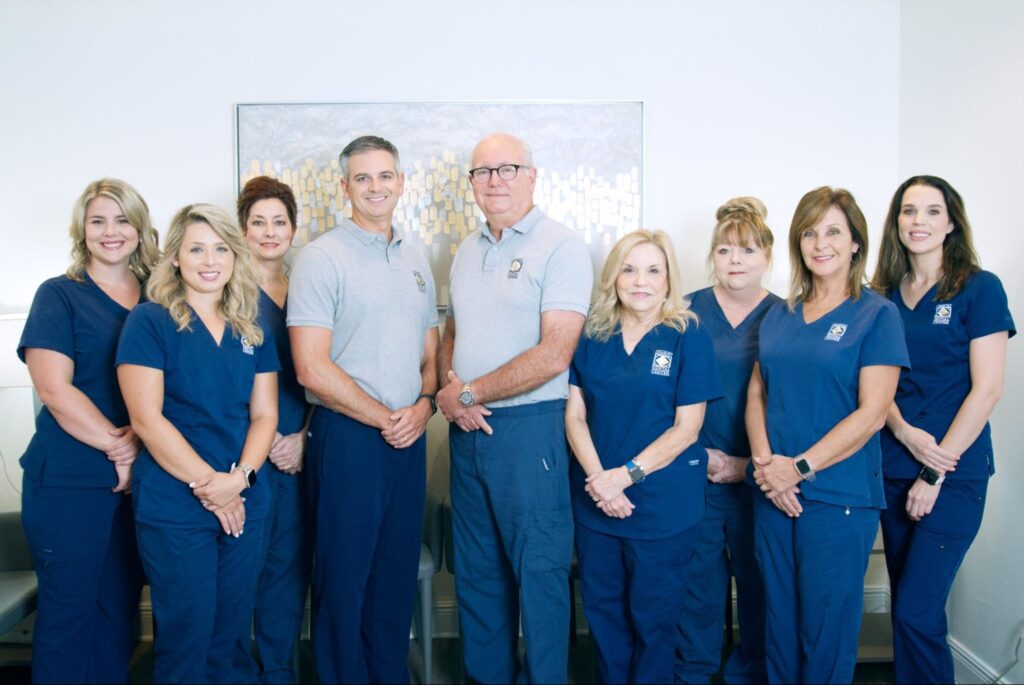
Talk With Dr. Charvet and Dr. Charvet Jr.
If you are still weighing whether your dental implants are worth it, schedule an appointment at Charvet Dental Center to get answers based on your mouth, your health history, and your goals. The office is located on Veterans Memorial Boulevard in Metairie, and the team can walk you through implants, bridges, and denture options so you can choose a plan that feels realistic for your life and your calendar.