
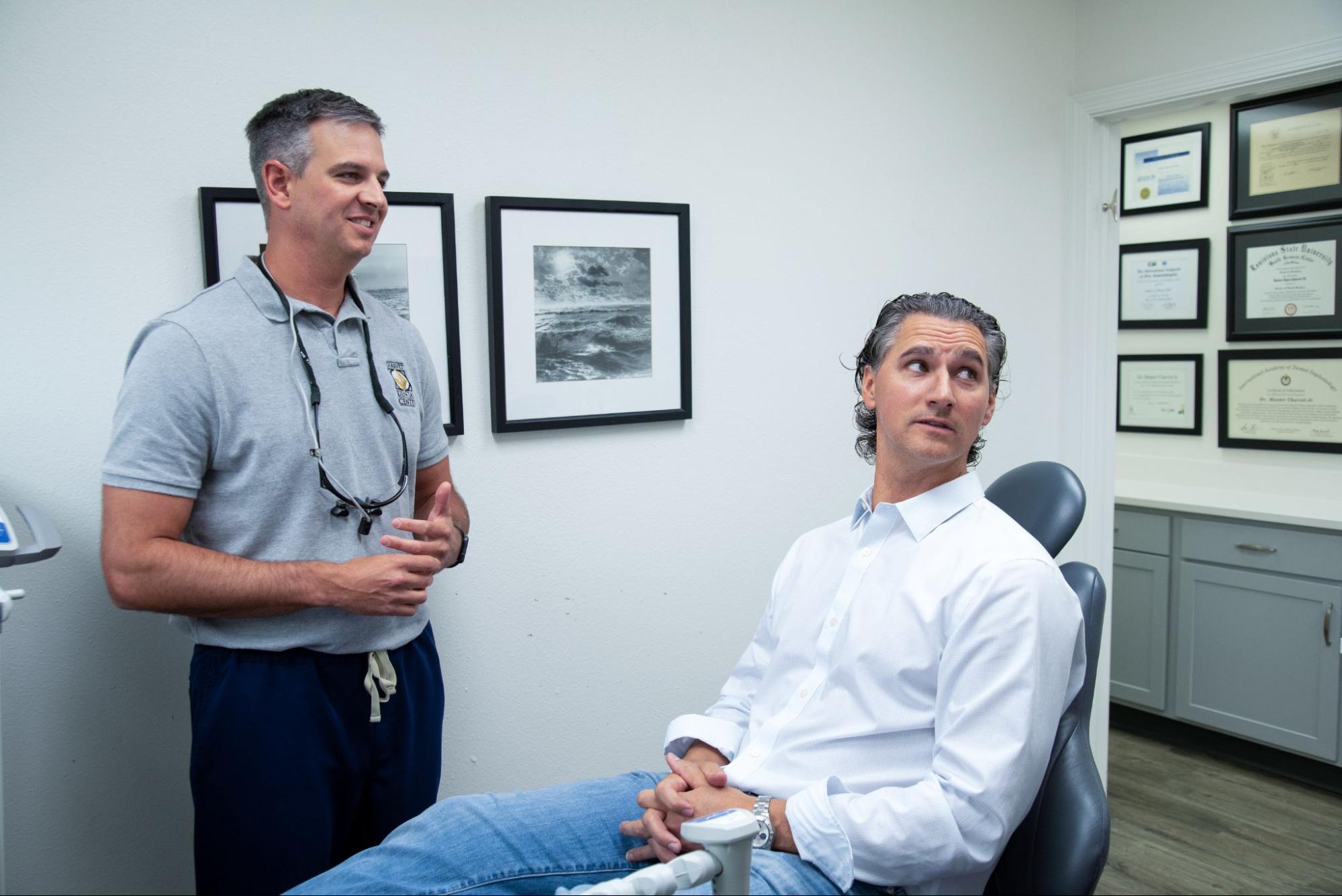
If several dental problems are piling up at once, piecemeal fixes can start to feel like a revolving door of visits and bills. Full mouth reconstruction provides a planned, stepwise approach to restoring comfort, function, and appearance with a single coordinated roadmap, led by Dr. Charvet and Dr. Charvet Jr. at Charvet Dental Center.
Our team provides comprehensive restorative care, including complex cases that blend implants, crowns, and bite correction, right here on Veterans Memorial Boulevard near Lakeside Shopping Center.
Quick Self-Check: Signs That Point Toward Reconstruction
Use this checklist to gauge whether a comprehensive plan may serve you better than one-off repairs:
- Multiple cracked, heavily filled, or root canal-treated teeth that fail one after another.
- Several missing teeth cause chewing to be possible only on one side.
- Frequent dental emergencies from breakage or pain.
- Acid erosion or severe wear from grinding that shortens teeth.
- Ongoing jaw fatigue or headaches tied to bite imbalance.
- Dentures or partials that no longer fit or function well.
- A history of trauma with long-standing esthetic or functional concerns.
Charvet Dental Center addresses these issues daily and offers a full set of restorative tools in one office, allowing your plan to proceed without unnecessary delays.
Who Is A Good Candidate For Full Mouth Reconstruction In Metairie?
Candidates typically fall into one or more of these groups:
- Trauma or sudden damage: Accidents can fracture several teeth or disrupt your bite. Prompt evaluation limits complications and helps preserve remaining tooth structure.
- Advanced wear or erosion: Long-term grinding, reflux, or acidic diets can shorten teeth and collapse your bite. Reconstruction re-establishes proper tooth length and support so that chewing and speech feel natural again.
- Multiple missing teeth: Strategic use of implants, bridges, or a stabilized denture restores chewing on both sides and protects the joints and remaining teeth.
- Complex bite problems: When bite imbalance damages teeth or strains jaw muscles, a comprehensive plan can realign forces while restoring damaged teeth.
- Combination cases: Many people have a mix of old dentistry, new decay, gum issues, and missing teeth. A reconstruction plan sequences care so that the disease is controlled first, the foundation is stabilized, and final restorations come last.
How Dr. Charvet And Dr. Charvet Jr. Plan Your Case
A strong result starts with meticulous planning. Here is how your Metairie visit is structured:
Comprehensive Records
Your first visit includes a full exam, digital images, and a bite evaluation. When needed, 3D imaging and photographs document tooth wear, gum health, and jaw position. These records help the doctors map the sequence of care rather than guessing at each appointment.
Charvet Dental Center
Priorities And Phasing
Treatment is organized into phases: control active disease, build a stable foundation, test comfort and esthetics with provisional restorations, then complete final restorations. This approach minimizes surprises and keeps you comfortable throughout.
Bite And Function First
Rebuilding tooth length and adjusting contacts distributes forces evenly. Many headaches, chipped restorations, and fractured teeth trace back to a bite that overloads a few areas. Careful adjustments during the provisional and final phases protect your investment.
Material Choices That Match Your Goals
The team selects materials like high-strength ceramics for crowns or hybrid designs for implant bridges based on your bite, esthetic goals, and maintenance preferences.
Local Convenience
All of this happens at Charvet Dental Center, located at 2300 Veterans Memorial Blvd., just a few minutes from Lafreniere Park and the Bonnabel Boat Launch. The hours are convenient for school and work schedules around Metairie traffic.
The Tools We May Combine
A reconstruction plan is customized. Your roadmap could include:
- Dental implants to replace single or multiple teeth. Implants anchor crowns or bridges, making chewing feel stable and helping preserve bone.
- Crowns are used to rebuild strength and proper tooth length on cracked or heavily worn teeth.
- Bridges when a fixed option is best, and adjacent teeth can support the span.
- Veneers for front-tooth shape, color, and length when the underlying structure is healthy.
- Root canal therapy is used to save teeth with deep decay or infection so they can support a long-term crown.
Dentures or implant-stabilized dentures are a good option when many teeth are missing and a removable solution fits your goals, lifestyle, or budget.
What Your Timeline Looks Like
No two plans are the same, yet most follow a predictable rhythm:
Phase 1: Treat gum inflammation and decay, address urgent pain, and extract non-restorable teeth if necessary.
Phase 2: Place implants where indicated, rebuild key support teeth with crowns or onlays, and correct bite contacts.
Phase 3: Wear custom temporaries that test esthetics, speech sounds, and chewing comfort. Adjustments here prevent remakes later.
Phase 4: Seat final crowns or bridges designed from your approved provisional models.
Phase 5: Professional cleanings, nightguard use if you grind, and home care tuned to your new restorations protect the result over time.
Cost, Insurance, And Smarter Sequencing
Costs vary because every plan blends different procedures, materials, and lab work. The biggest drivers are the number of teeth involved, the need for extra foundation procedures like bone grafting, and the type of final prosthesis.
Insurance often helps with medically necessary restorative work, while cosmetic add-ons are less likely to be covered. If an estimate seems complicated to compare, you can ask whether your plan is itemized or “bundled,” since some insurers combine separate procedures into one line item and change the benefit calculation.
If you prefer to phase care over time, the doctors can design a staged plan that addresses the most fragile areas first and schedules later steps when you are ready. Thoughtful phasing is common and does not mean you are settling for less. It means your plan is being tailored to your goals and timeline.
What Results You Can Expect
A well-planned reconstruction aims for three outcomes:
- Comfortable Chewing And Speaking: Balanced forces reduce chipping and hot-cold sensitivity. People often report that eating is easier and more enjoyable.
- Natural Esthetics That Fit Your Face: Tooth length and shade are chosen with your lip line, skin tone, and facial proportions in mind.
- Durability With A Realistic Maintenance Plan: Modern ceramics and implant materials are strong, and they perform best when paired with nightguard use for grinders and consistent cleanings.
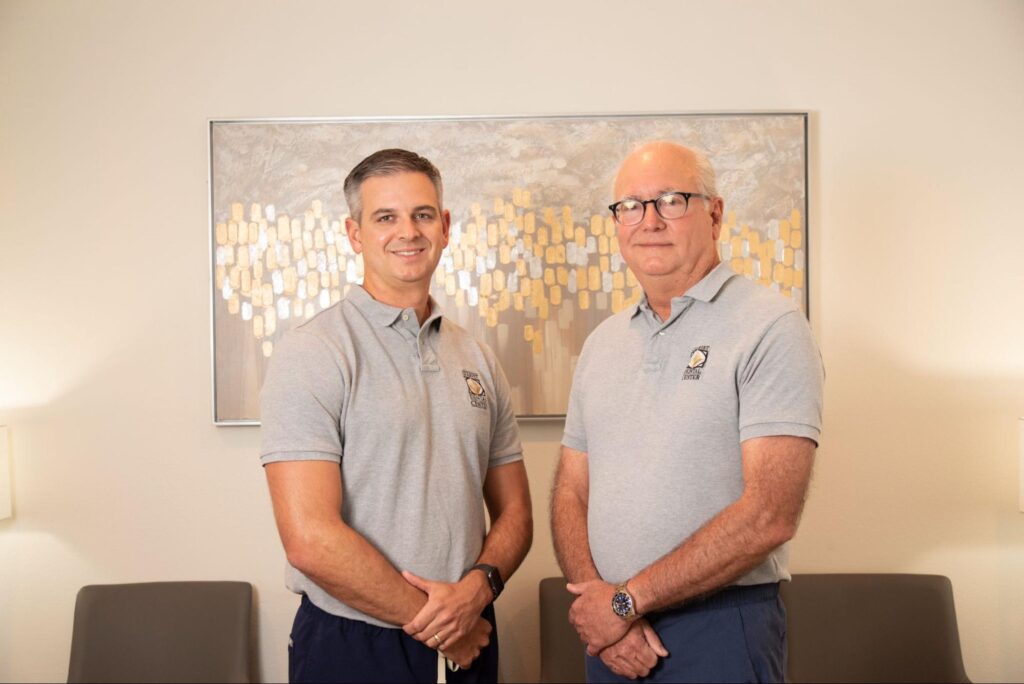
Plan Your Full Mouth Reconstruction In Metairie
Meet with Dr. Charvet and Dr. Charvet Jr. at Charvet Dental Center to map a clear, phased plan that fits your goals, time, and budget. Schedule your consultation in our Metairie office to get started.